
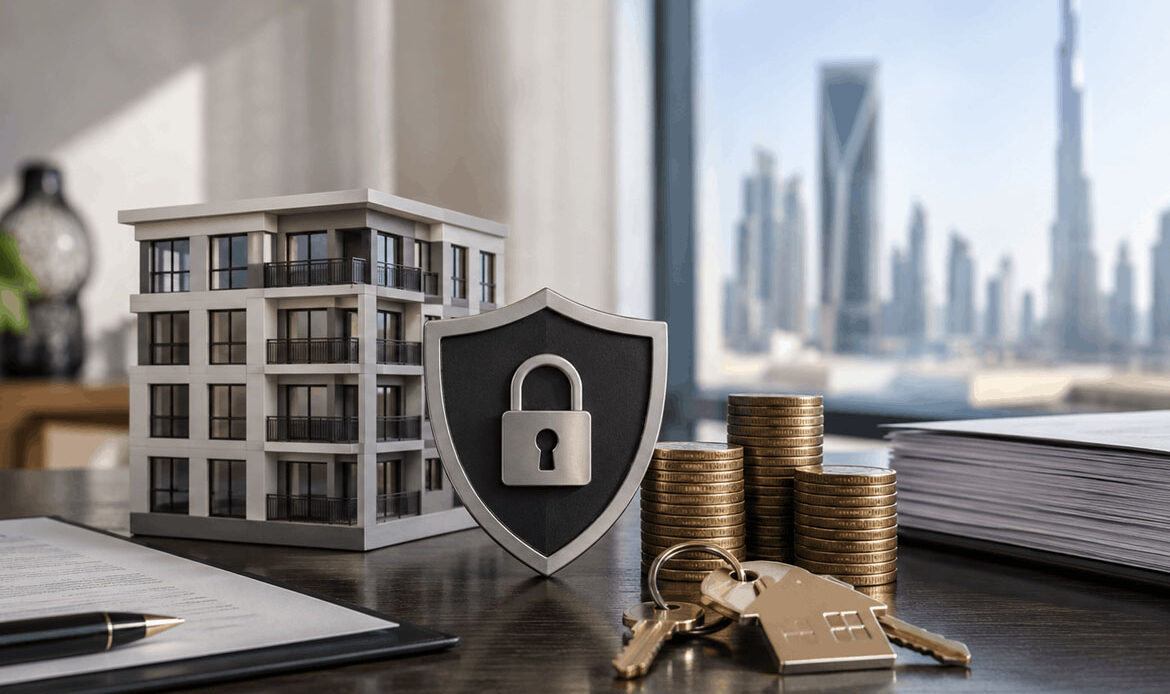
A security deposit is commonly paid when entering into a residential or commercial tenancy agreement in Dubai. Its purpose is generally to protect the landlord against damage to the property or other obligations that remain outstanding when the tenancy ends.
Under Dubai tenancy rules, the landlord must return the security deposit, or the remaining balance, after the lease expires. Deductions may be disputed where they are unsupported, excessive or relate only to reasonable wear resulting from normal use of the property.
How can tenants protect themselves?
Before moving into the property, tenants should:
- Photograph and record the condition of the premises
- Identify existing damage in writing
- Keep the signed tenancy agreement and Ejari registration
- Retain proof of the security-deposit payment
When leaving, the tenant should arrange a formal inspection and obtain written confirmation that the keys and property have been handed over. Updated photographs and videos can help demonstrate the condition of the premises at the end of the tenancy.
Can the landlord make deductions?
A landlord may seek reasonable deductions for actual damage attributable to the tenant. However, deductions should be supported by evidence, such as inspection reports, invoices or repair quotations.
A tenant who disputes the deductions should request a written breakdown. Where the matter remains unresolved, the tenant may consider filing a claim before the Rental Disputes Center.
Landlords should also document damage carefully and avoid making arbitrary deductions. Clear evidence protects both parties and can reduce the likelihood of formal proceedings.
Facing a tenancy or security-deposit dispute? Our legal team can assess your documents and explain your available options.